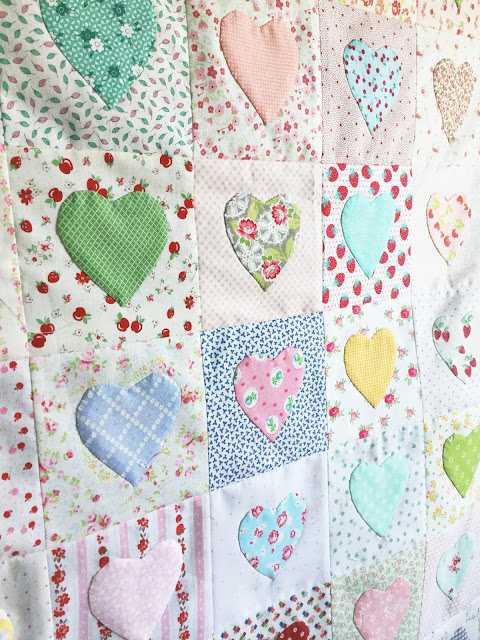
Needle-turn appliqué is a traditional hand-sewing technique in which fabric shapes are stitched onto a background fabric while the raw edges are turned under with the tip of the needle. The method produces soft, smooth edges and nearly invisible stitching, making it a favorite for heirloom quilts and fine decorative work.
The process begins with preparation. Choose a background fabric and appliqué fabric that contrast clearly so the design stands out. Pre-wash and press both fabrics to remove sizing and prevent later shrinkage. Smooth, tightly woven cotton works best because it holds a turned edge neatly without fraying excessively.
Next, prepare your design. Trace the appliqué shape onto the right side of the appliqué fabric using a removable marking tool. Add a small seam allowance—typically about ⅛ inch—around the traced line. This allowance will be turned under during stitching. Carefully cut out the shape, following the outer seam allowance line rather than the drawn design line.
Position the shape on the background fabric. You may lightly mark placement guidelines on the background if needed. Pin the shape in place or use a small amount of washable glue to secure it temporarily. Smooth the fabric so there are no wrinkles beneath the appliqué.
Thread a fine hand-sewing needle with a single strand of thread that matches the appliqué fabric. Knot the end. Begin by bringing the needle up from the back of the background fabric right at the edge of the appliqué shape so the knot is hidden underneath.
To stitch, use the tip of the needle to turn a small section of the seam allowance under, exactly along the traced design line. Hold the fold in place with your thumb. Insert the needle into the folded edge and then take a tiny bite of the background fabric directly beneath it. The stitch should be small and nearly invisible. Continue turning and stitching a few millimeters at a time, working slowly around the shape.
For outside curves, make tiny, smooth turns as you stitch. For inside curves, clip carefully into the seam allowance (without cutting past the drawn line) so the fabric can spread and lie flat when turned under. Sharp points should be stitched right to the tip before pivoting to continue along the next edge.
Throughout the process, aim for:
- Even, tiny stitches
- A smooth turned edge with no raw threads showing
- Minimal tension so the background does not pucker
When you reach your starting point, secure the thread with a small knot hidden under the appliqué and clip the thread close to the fabric.
Press gently from the back once the shape is complete. A light press helps settle the stitches and smooth the edges.
Needle-turn appliqué requires patience, but it offers unmatched softness and authenticity. Because the edges are turned by hand during stitching rather than pre-pressed, the shapes retain a natural, organic look. With practice, the movements become rhythmic: turn, stitch, turn, stitch—resulting in beautifully refined appliqué that blends seamlessly into the background fabric.
