Posted on

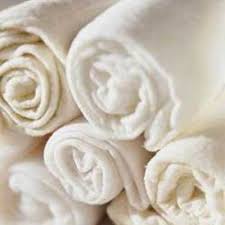
The Evolution of Polyester Batting

Batting

The evolution of polyester batting reflects major advancements in textile technology, changes in consumer needs, and the growth of machine quilting. Here’s an overview of how polyester batting has developed from its early forms to the high-performance products quilters use today:


1. Origins in Synthetic Fiber Technology (1940s–1950s)

  • Invention of Polyester: Polyester was first developed in the 1940s by British chemists working for the Calico Printers Association. It became commercially available in the 1950s, marketed by DuPont as Dacron®.
  • Early Use in Textiles: Initially used for clothing and industrial textiles, polyester’s durability, moisture resistance, and non-organic nature soon made it a candidate for insulation materials — including quilt batting.

2. Early Polyester Batting (1960s–1970s)

  • Thick and Puffy: Early polyester battings were very lofty and often overly spongy. They were appreciated for being lightweight, mold-resistant, and cheap, but often lacked stability and drape.
  • Shift from Cotton: Cotton batting was difficult to wash and could shrink. Polyester became popular for its washability, non-shrinking quality, and easy handling for beginners.

3. Refinement and Blending (1980s–1990s)

  • New Manufacturing Techniques: Improvements in fiber processing allowed for finer, more uniform polyester fibers, producing battings that were smoother, flatter, and easier to quilt.
  • Needle-Punched Batting: This technique punched fibers together with barbed needles, creating a more stable and compact structure, ideal for machine quilting.
  • Bonded Batting: Heat- or resin-bonded battings held their shape better and resisted bearding (fibers pushing through the quilt top).
  • Blends Introduced: Polyester was blended with cotton or rayon to combine the warmth and softness of natural fibers with the stability and washability of polyester.

4. High-Performance Quilting Batts (2000s–Present)

  • Tailored Properties: Today’s polyester battings are engineered for specific needs:
    • Low-loft for flat quilts and detailed quilting.
    • High-loft for comforters or trapunto techniques.
    • Thermal battings for insulation (e.g., heat-resistant projects).
    • Recycled polyester for eco-conscious quilters.
  • Machine Quilting Revolution: Modern battings are designed to perform well under the pressure of longarm machines — resisting shifting, bunching, or stretching.
  • Soft Feel: Manufacturers have improved the “hand” of polyester batting — making it feel softer and more natural, almost like cotton or wool.
  • Non-bearding Formulas: Innovations reduce the tendency of fibers to migrate through fabric layers.

5. Sustainability and Innovation (2010s–Today)

  • Eco-Friendly Polyester: Recycled plastic bottles are now being used to produce green batting options, appealing to environmentally conscious makers.
  • Custom Applications: Battings are now available for wearable quilts, art quilts, home décor, and even embroidery stabilization.

From Bulky to Brilliant

Polyester batting has evolved from a novelty synthetic alternative to a versatile, high-tech quilting essential. Whether you want extra loft, crisp stitch definition, or a thin layer for easy quilting, there’s a polyester batt to suit the purpose — a testament to decades of development and innovation.

Posted on

The benefits of teaching children how to quilt

Teaching children how to quilt

Quilting offers a wide range of benefits for children, fostering creativity, skill development, and personal growth. It encourages artistic expression, allowing children to experiment with colors, patterns, and textures, which helps develop their imagination and design skills.

The hands-on nature of quilting enhances fine motor skills and hand-eye coordination through activities like cutting, stitching, and piecing fabrics together. The process also teaches patience and perseverance, as children learn to focus on completing a project step by step.

Quilting involves decision-making and problem-solving, such as selecting fabrics and aligning seams, helping children develop critical thinking skills. It also introduces practical applications of math and geometry, as they measure, cut, and work with shapes and patterns.

Completing a quilt instills a sense of pride and boosts confidence, as children see the results of their effort in a tangible, beautiful creation. It also teaches sustainability and resourcefulness, as many quilting projects involve using fabric scraps or repurposing materials, reinforcing eco-conscious values.

The repetitive and methodical nature of quilting offers a calming, mindful experience, providing children with a relaxing break from fast-paced or screen-based activities. Additionally, quilting can be a social activity, fostering connections with family, peers, or community groups, and creating shared experiences and lasting memories.

Through quilting, children gain a mix of creative, practical, and life skills while building confidence and forming meaningful connections with the world around them.

Posted on

Where to learn Basic Quilting Skills?

15 years ago, I didn’t think it possible but in 2006, I started my quilting journey. And what a journey! I jumped right into it! I didn’t know where to learn basic quilting skills.

In retrospect, I know that my quilting journey might have been a lot easier if I did a course in basic patchwork and quilt making to use as foundation for my artwork at that stage. This brings me a full circle since qualifying as an accredited quilt teacher of the South African Quilters Guild.

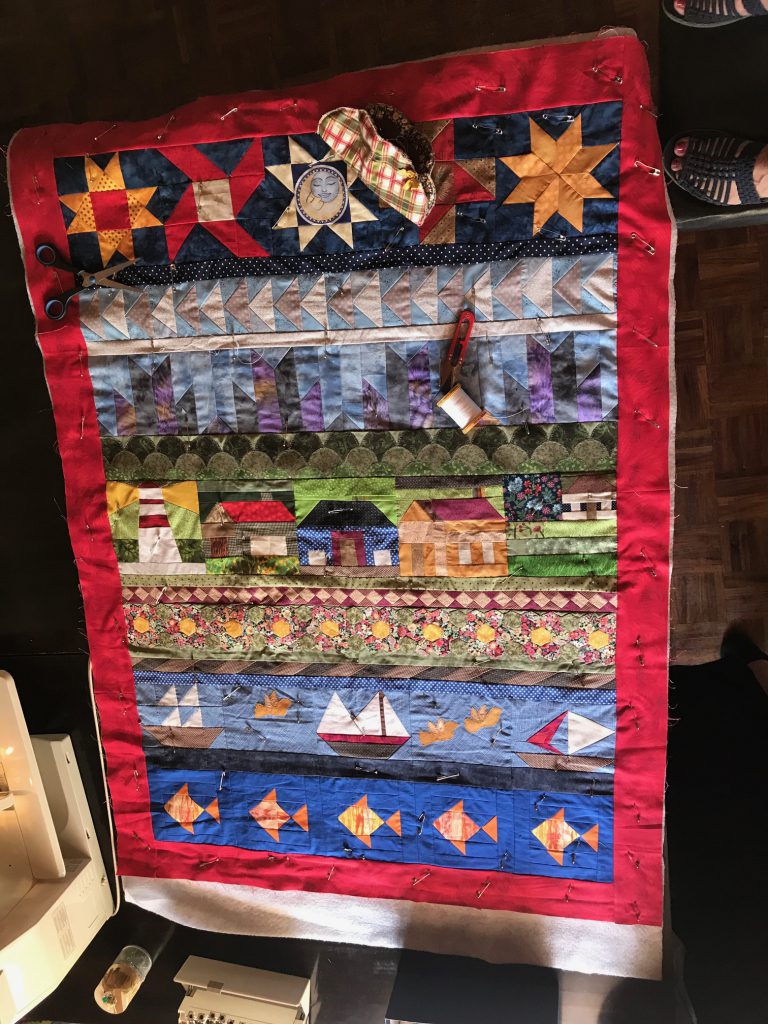
This quilt finishes in a quaint pictorial sampler called : “Through the Eyes of Cy”. When I developed the pattern, I used my 4 year old grandson, Cylus, to imagine how he looks at the world around him. Since he loves to draw in bright colors, these are the colors I design with.

True to my background, I designed my sampler in pictorial style, row by row with each row specializing in another technique.

Is this quilting course also for advanced quilters, you may ask. I bet that you will be challenged at some or other stage during the construction. You might also find some of the techniques you avoided previously, surprisingly stimulating. I mostly find people attracted to the mesmerizing addiction of hand piecing and needle turn applique.

“Through the eyes of Cy” is a happy, content rich quilt that will look lovely hanging in your home or cuddled by a little boy. There are also patterns available in larger sizes to cover a single bed (for a lucky boy). You also learn the basic quilting skills as you go!

Techniques included in this course include:

– Machine piecing
– Hand Piecing
– Machine Applique
– Hand Applique
– Paper Foundation Piecing
– English Paper Piecing
– Seminole braids
– Y insert seams
– Easy applications for Flying Geese
– Star Blocks
– Borders Bindings and Sleeves
– Finishing off with a pretty label
and many more…

Through the eyes of Cy - Made by Judy Barnard
Through the eyes of Cy – Made by Judy Barnard

Contact me for the starting date of the next course. I teach in the East of Pretoria.

Other courses by Danél Muller

Posted on

A pictorial quilt-techniques quilt-along sampler.

Join me in making the “Through the eyes of Cy” pictorial quilt-techniques quilt-along sampler.

Fishes in the deep blue sea - the first block in the quilt along by Danel Muller - Lenad Quilting
Fishes in the deep blue sea – The first block in the
pictorial quilt-techniques quilt-along sampler by Danel Muller – Lenad Quilting

Every teacher needs a sampler quilt. Not strictly being a traditional quilter, I therefore vied away from the traditional sampler quilt and came up with this interesting pictorial version. This quilt finishes at 30″ x 42″ (67 cm x 102 cm) without borders.

The first block in “Through the eyes of Cy“  is Fishes in the deep blue sea. As you can see,  I used the naive therefore bright drawings depicted in the artworks of my 4 year old grandson, Cylus, as design inspiration for this pattern.

This sampler is taught over 12 weeks.

Teacher: Danel-Marié Muller
Venue: 40 on Ilkey B&B, Lynnwood Glen Pretoria
Tel: 082-416-7690
Cost: R150 per lesson
Start date: Contact me for the next date


Every second and fourth Wednesday of the month
Time: 9:00 – 13:00
Every first and third Saturday of the month
Time: 12:00 – 16:00

Beginners welcome
Tea and coffee is included in the class fee

In conclusion, you will need to bring the following to class:

  • A working sewing machine.
  • A rotary cutter, as well as a 12″ square ruler and cutting board
  • Scissors, pins and number 10 sewing needles
  • However, don’t bring fabric, thread as it will be discussed in the class to prevent excess and wrong purchases.

Register here or contact me if you want me to teach in your area. I am willing to travel within Gauteng (minimum 5 students).

This pictorial quilt techniques quilt-along sampler is brought to you by Lenad Quilting.

Other courses by Danél @ Lenad Quilting

Hope to see you here!

Danél